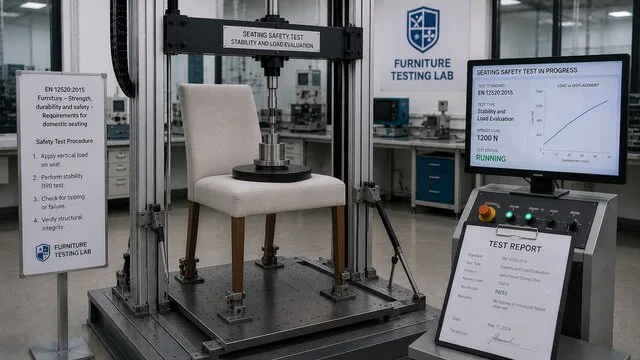
ANSI SOHO S6.5-2008 (R2013) Explained: What Buyers Should Understand About Legacy Home Office Testing
ANSI/SOHO S6.5-2008 (R2013) still appears in furniture sourcing conversations more often than many buyers expect. That is usually not because it is the best standard to reference today.
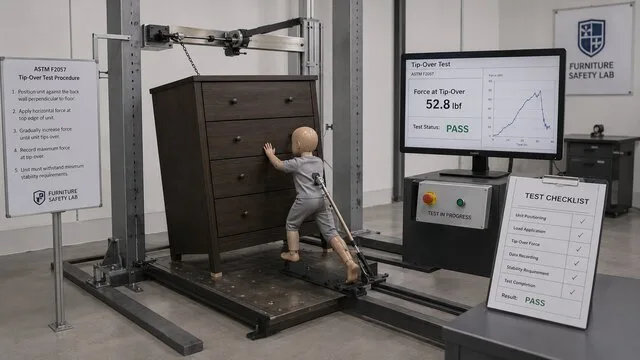
ASTM F2057 and STURDY: What US Buyers Need to Know
For many furniture suppliers, ASTM F2057 became commercially important long before they fully understood why. For many buyers, STURDY made that gap harder to ignore.
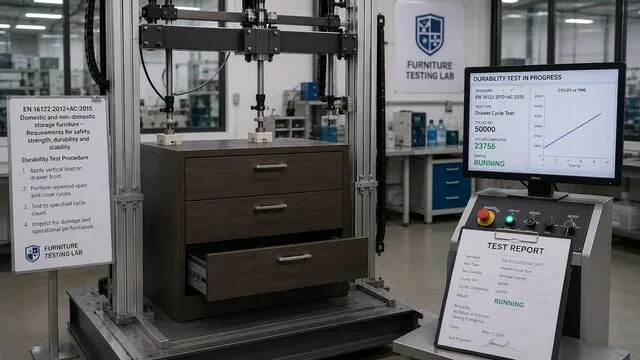
BIFMA Clean Guide Explained: What Buyers Should Know About Cleanability in Commercial Furniture
The BIFMA Clean Guide is one of the most frequently referenced documents in post-pandemic furniture sourcing. It is also one of the most commonly misused.
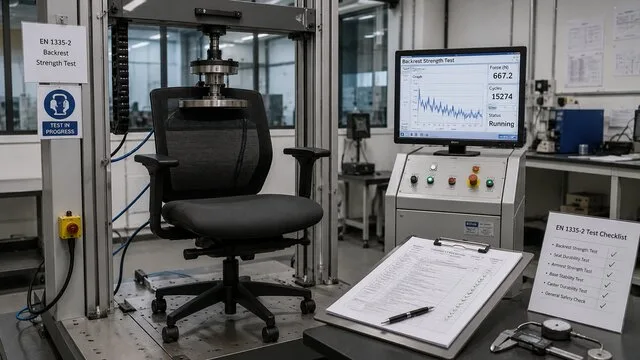
BIFMA X5.1 Explained for Non-Engineers
BIFMA is one of the most commonly referenced standards in commercial furniture. It is also one of the most casually misunderstood.
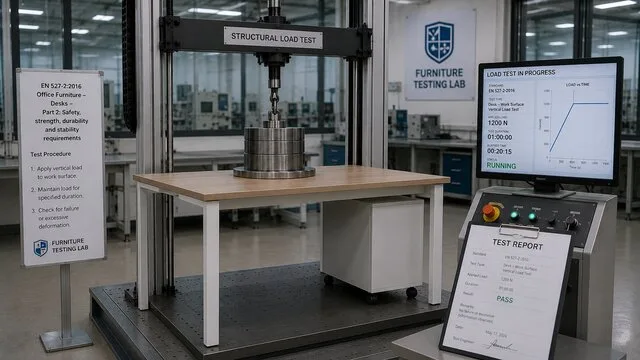
BIFMA X5.5-2014 Explained: Desk and Table Performance Standards for Commercial Buyers
ANSI/BIFMA X5.5-2014 is one of the most commonly referenced standards for desks and tables in commercial furniture sourcing. It is also one of the easiest to overstate.
BIFMA X5.9-2019 Explained: What Buyers Should Know About Storage Unit Performance
ANSI/BIFMA X5.9-2019 is one of the most commonly referenced standards for commercial storage furniture. It is also one of the most commonly oversimplified.

BIFMA X6.4-2018 Explained: Occasional-Use Seating Requirements for Buyers
ANSI/BIFMA X6.4-2018 is one of the less frequently cited BIFMA standards in general sourcing conversations. That does not make it less important.
BIFMA X6.5-2022 Explained: Home Office and Occasional-Use Desk, Table and Storage Products
ANSI/BIFMA X6.5-2022 is one of the easiest BIFMA standards to misread because the category sounds broader than the scope actually is. In sourcing conversations, suppliers often use X6.5 as shorthand for “home office tested” or...
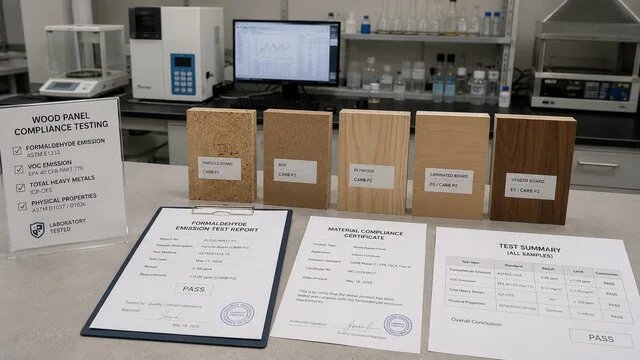
CARB, TSCA and Formaldehyde Limits in Wood Furniture
Formaldehyde compliance is one of the most commonly referenced requirements in wood furniture sourcing. It is also one of the most commonly oversimplified.
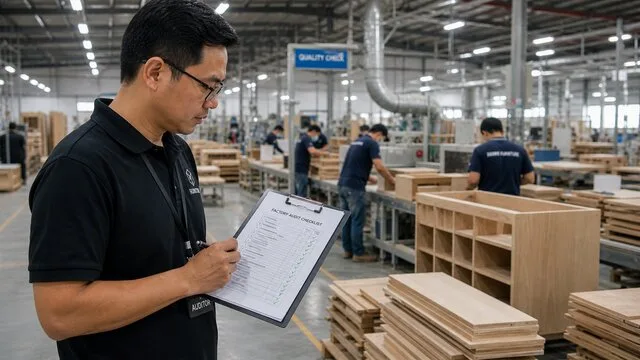
Factory Audit Checklist for US Furniture Importers
Most supplier problems do not begin on the production floor. They begin long before production starts, during supplier qualification, when the wrong things are reviewed and the right things are missed.
How AQL Sampling Actually Works in Furniture Inspection
AQL is one of the most commonly used quality tools in furniture inspection. It is also one of the most misunderstood.
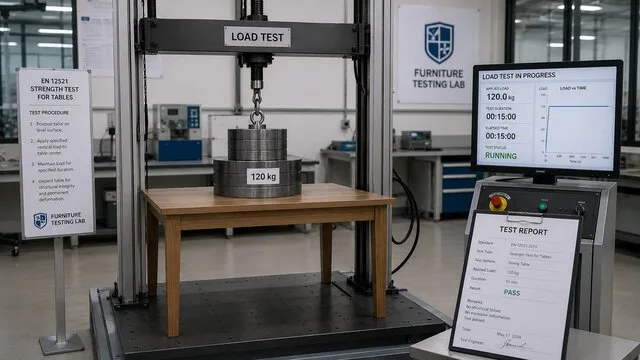
How Furniture Load Testing Works Before Retail Approval
Load testing is one of the most commonly referenced validation steps in furniture qualification. It is also one of the most commonly over-interpreted.
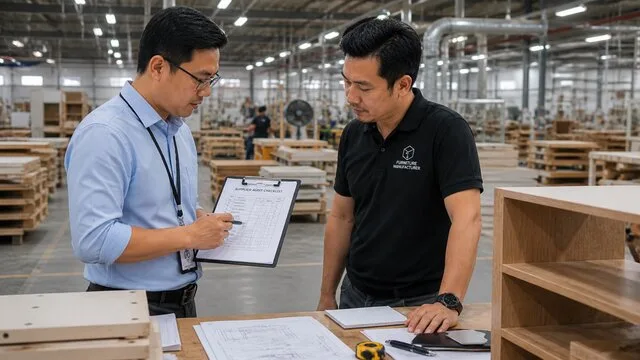
How to Qualify a Furniture Supplier in Malaysia Before Placing Your First PO
Most supplier problems do not start in production. They start much earlier, during qualification. By the time a furniture order fails in sampling, slips in production, or turns into a shipment claim, the real issue is usually...
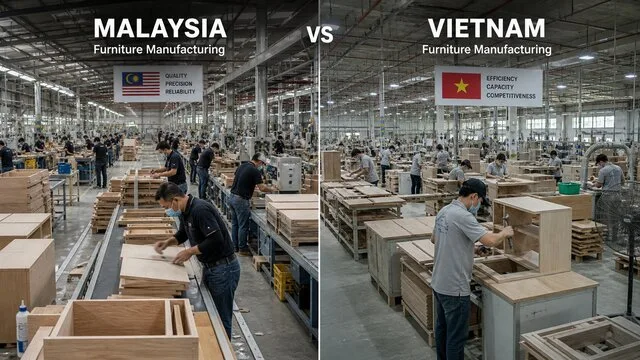
Malaysia vs Vietnam for Furniture Manufacturing: What US Buyers Should Know
For US furniture buyers diversifying beyond China, Malaysia and Vietnam are two of the most common alternatives under review. Both markets are established. Both export at scale. Both support OEM furniture production for US and...
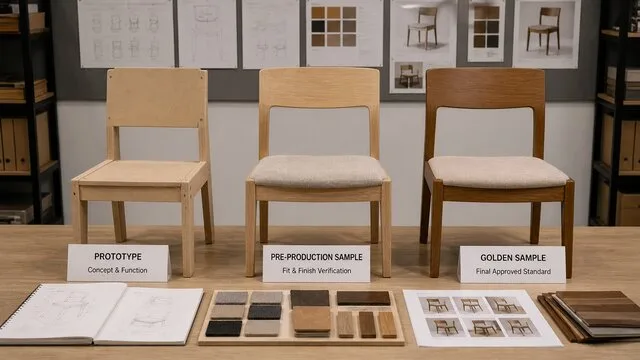
Prototype vs Pre-Production Sample vs Golden Sample: What Each Stage Actually Means
One of the most common causes of avoidable production problems in furniture sourcing is sample-stage confusion. Suppliers build what they think was approved. Buyers approve what they think will ship. Production begins with...
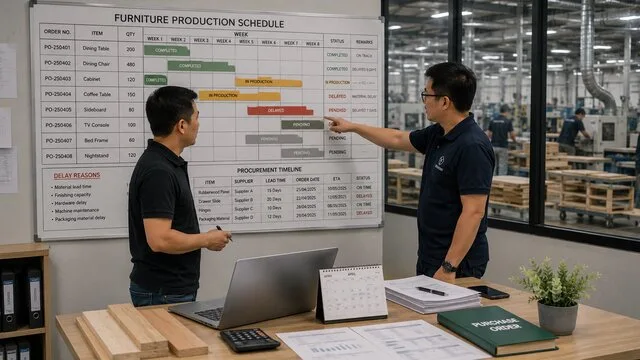
The Real Lead Time Risks in Southeast Asian Furniture Production
Lead time problems in furniture sourcing are often treated as scheduling problems. By the time a shipment slips, a production date moves, or a supplier starts “recovering schedule,” the delay is usually no longer a scheduling...
UL 1678 Explained: What Buyers Should Know About Household-Use Seating Safety
UL 1678 appears less often in commercial sourcing conversations than BIFMA. That does not make it less important.
.webp)
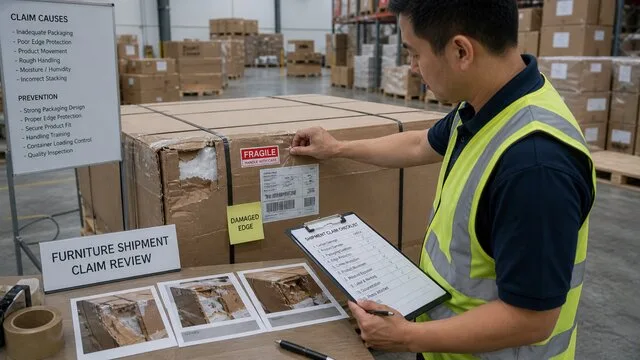
What Causes Furniture Shipment Claims (and How to Prevent Them)
Most furniture shipment claims are treated as logistics problems. By the time a shipment claim appears as freight damage, carton failure, assembly complaint, or retail rejection, the issue has usually already moved through...
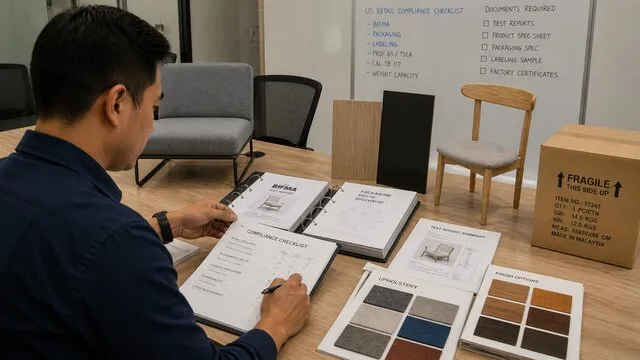
What US Retailers Actually Require Beyond BIFMA
For many overseas suppliers, BIFMA is treated as the finish line. For most US retailers, it is only the starting point.
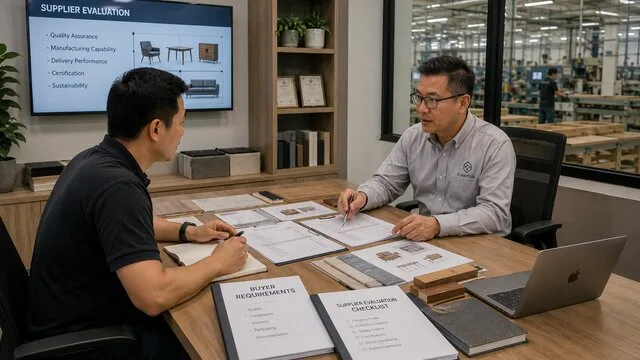
Why Good Factories Reject Bad Buyers
One of the more useful signals in supplier qualification is not who a factory accepts. Many buyers assume strong factories accept any viable business with enough volume, clear demand, and acceptable payment terms.

Why Two Malaysian Furniture Quotes Can Differ by 28%
One of the fastest ways to misread furniture sourcing risk is to assume that two similar quotes represent the same commercial reality. It is common for US buyers sourcing in Malaysia to receive two supplier quotes for the same...